
Why Does “Buy Once, Buy Right” Matter When Choosing Furniture?
“Buy once, buy right” matters when choosing furniture because investing in well-made pieces can reduce frequent replacements, improve everyday function, and provide better long-term value. Instead of choosing furniture mainly for a low initial price, this approach prioritizes durable materials, skilled construction, timeless design, and furniture that can remain useful and attractive for many years.
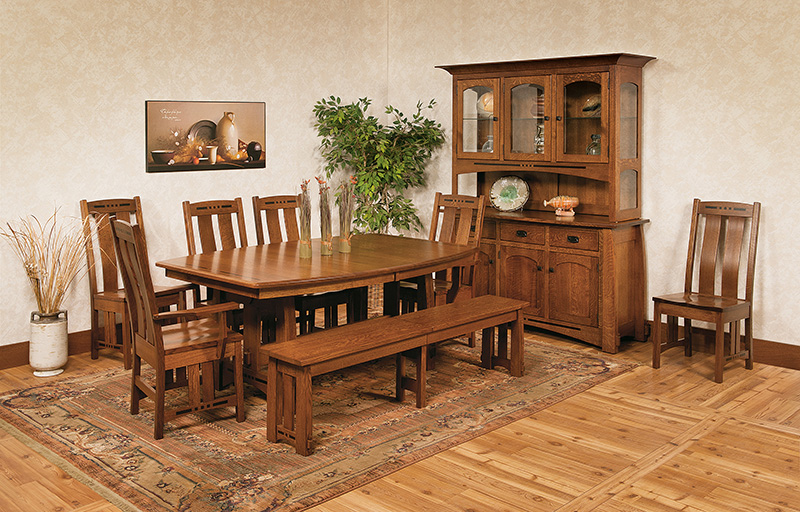
At Amish Furniture Showcase, this philosophy closely reflects the value of handcrafted solid wood furniture. Since 2002, the company has offered furniture made by skilled Amish and Mennonite artisans using carefully selected North American hardwoods. The focus is on craftsmanship, durability, and furniture designed to become a lasting part of the home. For shoppers tired of replacing worn, unstable, or outdated furniture, choosing quality from the beginning offers a different approach. Rather than thinking only about what a table, dresser, bed, or desk costs today, shoppers can consider how well that piece will serve their household over time.
Why Investing in Quality Furniture Can Pay Off Over Time
Well-made furniture can provide greater long-term value because durability, repairability, function, and timeless design all contribute to how long a piece remains useful. A lower-priced item may cost less initially, but price alone does not reveal how it will perform after years of everyday use.
Consumer Reports recommends examining furniture construction rather than judging a piece solely by appearance. For wood furniture, details such as strong joints, sturdy construction, and smooth finishes can help shoppers identify better-made pieces.
The “buy once, buy right” mindset encourages shoppers to evaluate those details before making a purchase.
What Does “Buy Once, Buy Right” Actually Mean for Furniture?
For furniture, “buy once, buy right” means choosing a piece based on long-term usefulness and quality rather than focusing only on the lowest upfront price. The goal is not necessarily to purchase the most expensive furniture available. It is to choose furniture whose materials, construction, design, and function justify the investment.
That means considering factors such as:
- Construction: Does the furniture feel stable and substantial?
- Materials: Are durable materials used in important structural areas?
- Joinery: Are components securely and carefully joined?
- Function: Do drawers, doors, extensions, and other moving parts operate smoothly?
- Finish: Is the surface appropriate for how the piece will be used?
- Design: Will you still enjoy the style after current trends change?
- Repairability: Can the furniture potentially be maintained, repaired, or refinished?
These considerations help shift the purchasing decision from “What is cheapest today?” to “What will serve my household well over time?”
Why Can Cheap Furniture Become More Expensive Over Time?
Furniture that needs to be replaced repeatedly can increase the total amount a household spends over time. A low purchase price can be attractive, but it may offer less value if the piece quickly develops structural problems, damaged surfaces, failing hardware, or other issues that make replacement necessary.
This is where cost per year of use can be a helpful way to think about furniture.
For example, a $600 piece that lasts five years costs an average of $120 per year before considering repairs or disposal. A $1,800 piece that provides 20 years of useful service averages $90 per year.
Those numbers are only an illustration, since actual furniture lifespan varies considerably. The principle is simple: purchase price and long-term value are not the same thing.
Consumer Reports advises furniture shoppers to pay attention to construction details, materials, joints, finishes, cushions, and upholstery when evaluating quality. These characteristics can provide more useful information about a piece than appearance alone.
How Does Solid Wood Support the “Buy Once, Buy Right” Approach?
Quality solid wood furniture is particularly well suited to long-term ownership because wood combines strength, natural character, and the potential for maintenance or refinishing.
House Beautiful notes that solid wood furniture can age well and, depending on its construction and condition, can often be refinished multiple times. That ability can give a well-made piece an advantage when scratches, wear, or changing tastes appear over the years.
Solid wood also develops character differently from many temporary furnishings. Natural grain variations mean each piece has its own appearance, while different wood species provide distinct colors, textures, and visual qualities.
At Amish Furniture Showcase, furniture is handcrafted using North American hardwoods, with customers able to explore options in wood species, stains, and styles. That combination allows shoppers to consider both durability and personal preference when choosing furniture intended for long-term use.
Does Buying Better Furniture Mean Giving Up on Style?
No. Choosing furniture for longevity does not mean choosing a style that feels old-fashioned or ignoring personal taste. In fact, selecting a piece you genuinely enjoy is an important part of making a long-term furniture purchase worthwhile.
A practical approach is to use durable, versatile furniture as the foundation of a room, then use easier-to-change elements to reflect current trends.
For example, a solid wood dining table can remain while you update:
- Dining chairs or upholstery
- Area rugs
- Lighting
- Wall colors
- Artwork
- Table décor
- Window treatments
The same principle works in bedrooms, offices, and living spaces. A well-built dresser, bed, bookcase, or desk does not have to be replaced simply because the room’s decorative accents change.
Timeless does not have to mean plain. It means choosing a piece whose craftsmanship, proportions, materials, and design you expect to appreciate beyond one decorating season.
How Can You Tell Whether Furniture Is Worth the Investment?
Look beyond the showroom appearance and examine how the furniture is actually made. Two pieces may appear similar from across a room while having significant differences in materials and construction.
Before buying, ask:
- What materials are used? Find out what the visible and structural components are made from.
- How is the piece constructed? Examine joints, supports, drawer boxes, hardware, and other details.
- Does it feel stable? Tables, chairs, beds, and case goods should feel appropriately sturdy.
- Do moving parts work smoothly? Test drawers, doors, extensions, and hardware.
- Can you personalize it? Choosing the right size, wood, finish, and features may help you keep the piece longer.
- Will it fit your life in the future? Consider whether the furniture can continue serving you as your household or décor evolves.
Consumer Reports specifically recommends checking construction and finish quality when evaluating wood furniture, including looking at joint construction and how consistently the finish has been applied.
Taking a few extra minutes to inspect these details can help you make a much more informed purchase.
Frequently Asked Questions About Buying Quality Furniture
Is expensive furniture always better quality?
No. A higher price does not automatically mean better construction or materials. Shoppers should evaluate the materials, joinery, finish, stability, function, and overall craftsmanship rather than using price alone as a measure of quality.
Is solid wood furniture worth buying?
Well-made solid wood furniture can offer excellent long-term value because it is durable and, depending on the piece, may be repaired or refinished as it ages. Its natural grain and variations can also give each piece distinctive character.
How long should quality furniture last?
There is no single lifespan for all quality furniture. Longevity depends on materials, construction, type of furniture, frequency of use, environment, maintenance, and whether damage occurs. Well-made furniture is designed with long-term use in mind rather than rapid replacement.
What furniture should I prioritize for quality?
Start with the pieces you use most frequently. Dining tables, beds, dressers, desks, chairs, and other heavily used furniture can be especially worthwhile places to prioritize strong construction, appropriate materials, and lasting design.
Choose Furniture for Years, Not Just for Today
“Buy once, buy right” is ultimately about getting more from the things you bring into your home. Instead of repeatedly purchasing furniture based primarily on price or short-lived trends, you can look for pieces that combine dependable construction, useful design, quality materials, and a style you will continue to enjoy.
That philosophy is at the heart of handcrafted furniture. At Amish Furniture Showcase, customers can explore solid wood furniture created by skilled Amish and Mennonite craftspeople, with options designed to help each piece feel at home for years to come.
When a table becomes the setting for thousands of family meals, a dresser follows you from one home to another, or a bed remains beautiful after years of nightly use, furniture becomes more than another purchase. It becomes part of everyday life.
Ready to buy furniture with the future in mind? Contact Amish Furniture Showcase to explore handcrafted furniture designed for lasting use.