
Why Is Reclaimed Wood a Good Choice for Amish Furniture?
Reclaimed wood is a good choice for Amish furniture because it combines distinctive natural character, durable solid-wood construction, and more responsible use of existing timber. Instead of hiding nail holes, weathering, color variations, and other signs of age, reclaimed wood furniture can preserve these features as part of its design. When paired with skilled Amish craftsmanship, the result is furniture with a character that new wood cannot easily duplicate.
At Amish Furniture Showcase, we believe furniture should offer more than an attractive place to sit, gather, dine, or store belongings. Quality furniture should feel substantial, reflect thoughtful craftsmanship, and bring lasting beauty to a home. Reclaimed wood fits naturally with that philosophy. Its history gives every board distinctive details, while careful construction can transform salvaged material into a refined piece designed for everyday use. For homeowners drawn to authentic materials and furniture that stands apart from mass-produced alternatives, reclaimed wood Amish furniture offers an appealing combination of heritage, craftsmanship, sustainability, and one-of-a-kind style.
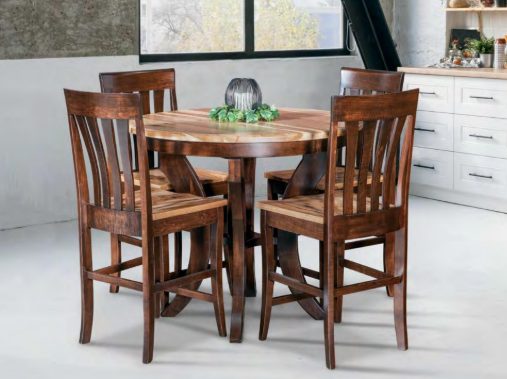
Reclaimed Wood Amish Furniture Combines Character With Craftsmanship
Reclaimed wood furniture stands out because the material has already lived a life before becoming part of a table, bed, cabinet, or other piece. Reclaimed lumber may come from older buildings, barns, flooring, architectural elements, or other previously used wood products.
The Forest Stewardship Council (FSC), for example, recognizes construction and demolition materials such as doors, flooring, cabinets, moldings, and dimensional lumber among potential post-consumer reclaimed wood sources.
That history can leave behind visual characteristics such as:
- Nail and fastener marks
- Natural checking and small cracks
- Weathered areas
- Saw marks and surface texture
- Variations in grain and color
- Patina created through age and previous use
Rather than automatically being considered flaws, these features can become part of the furniture’s aesthetic. The U.S. Environmental Protection Agency has specifically noted that fastener marks and rich, aged coloration can contribute to reclaimed lumber’s appeal.
What Makes Reclaimed Wood Furniture So Unique?
No two pieces of reclaimed wood have exactly the same history, which means variations in the material can make each finished piece visually distinctive.
New lumber can certainly have beautiful grain patterns, but reclaimed wood adds another layer of character. Years of use, exposure, and aging may create tones and textures that would be difficult to reproduce naturally in newly harvested wood.
That makes reclaimed wood especially well suited to Amish furniture, where craftsmanship often emphasizes the inherent beauty of real wood rather than covering it with imitation surfaces.
A reclaimed wood dining table, for example, can become more than a functional surface. Old marks, grain variations, and tonal differences can give the tabletop a sense of history while skilled construction gives it a polished, intentional appearance.
Is Reclaimed Wood Furniture Durable?
Properly selected and prepared reclaimed lumber can be an excellent material for durable furniture, but quality depends on the wood itself and how it is processed and constructed.
Some reclaimed lumber originated from older-growth timber with characteristics that are increasingly difficult to find in modern lumber. EPA educational materials on wood reuse have noted that old-growth lumber can offer close grain, fewer knots, and greater stability than some younger lumber.
Age alone, however, does not guarantee quality. Reclaimed material should be carefully evaluated before it becomes furniture. Experienced furniture makers need to consider the condition, moisture, structural integrity, previous use, and suitability of each piece of lumber.
When shopping for reclaimed wood Amish furniture, look beyond the rustic appearance. Pay attention to:
- Joinery: Drawers, doors, legs, and structural components should feel secure and well fitted.
- Wood preparation: Reclaimed material should be properly cleaned and prepared for its new purpose.
- Construction quality: A beautiful old board cannot compensate for poor furniture construction.
- Finish quality: The finish should complement and protect the wood while allowing its character to remain visible.
- Overall stability: Tables, chairs, beds, and case goods should feel solid and balanced.
The goal is not simply to own old wood. It is to own thoughtfully crafted furniture made from reclaimed wood.
Is Reclaimed Wood More Sustainable Than New Wood?
Reusing existing wood can reduce demand for newly harvested timber and give usable material another productive life.
The FSC explains that using recycled material helps make better use of existing forest resources and reduces pressure to harvest additional trees. Sustainability organizations are also placing greater emphasis on reclaimed wood within the furniture industry. The 2025 Wood Furniture Scorecard from the Sustainable Furnishings Council and National Wildlife Federation reported that retailers sourcing and promoting reclaimed wood consistently ranked among its higher performers.
The U.S. EPA has also highlighted real-world projects that turn reclaimed materials into furniture. Its Urban Wood Project describes a partnership in which wood recovered from Baltimore’s former housing stock was incorporated into furniture products, demonstrating how salvaged material can move from the waste stream back into useful products.
Choosing reclaimed furniture does not mean that all newly harvested wood is inherently unsustainable. Responsible forestry and certified wood also have important roles. Reclaimed wood simply offers another compelling option by making use of material that already exists.
Does Reclaimed Wood Work With Modern Home Decor?
Yes. Reclaimed wood can work in interiors ranging from traditional farmhouse spaces to clean, contemporary homes because its impact depends heavily on the furniture’s design, finish, and surrounding decor.
Reclaimed wood is often associated with rustic interiors, but it does not have to look rough or heavily distressed. Clean lines and simpler silhouettes can create a more contemporary appearance while still preserving the wood’s natural character.
Consider these combinations:
- Modern: Pair reclaimed wood with clean lines and uncluttered surroundings.
- Farmhouse: Embrace visible grain, knots, texture, and warm finishes.
- Industrial: Combine aged wood character with metal accents.
- Traditional: Choose classic furniture profiles with warmer wood tones.
- Transitional: Use a reclaimed dining table or occasional piece as an organic focal point among more streamlined furnishings.
Because reclaimed wood already carries visual interest, homeowners often do not need an entire room full of it. One substantial table, bed, sideboard, or accent piece can provide plenty of character.
What Should You Ask Before Buying Reclaimed Wood Amish Furniture?
Ask where the wood came from, how it was prepared, and how the furniture was constructed. Reclaimed wood has a history, so understanding that history is part of making an informed purchase.
Useful questions include:
- What type or species of wood is used?
- What is known about the source of the reclaimed lumber?
- How is the material inspected and prepared?
- Which natural marks and variations should I expect?
- What construction methods are used?
- What finish is applied?
- How should the piece be cleaned and maintained?
Previous use matters. Some salvaged wood may have been painted, chemically treated, or exposed to substances that make it inappropriate for certain applications. Responsible sourcing and proper preparation are therefore important considerations when evaluating reclaimed furniture.
Frequently Asked Questions About Reclaimed Wood Furniture
Is reclaimed wood the same as distressed wood?
No. Reclaimed wood has been recovered from a previous use, while distressed wood may be new lumber that has been intentionally treated or finished to create an aged appearance.
Why does reclaimed wood have nail holes and other marks?
These features can be evidence of the wood’s previous use. Nail holes, saw marks, weathering, grain variation, and patina are often intentionally preserved because they contribute to reclaimed wood’s distinctive appearance.
Is every piece of reclaimed wood furniture different?
Natural variations in reclaimed boards mean finished pieces can differ in grain, coloration, markings, and texture. Those differences are part of the appeal for buyers seeking furniture with individual character.
Is reclaimed wood furniture just for rustic homes?
No. Reclaimed wood can complement farmhouse, traditional, industrial, transitional, and contemporary interiors. The furniture’s shape, finish, and styling determine whether the finished piece feels rustic or refined.
Bring the Character of Real Wood Into Your Home
Reclaimed wood gives furniture something that cannot simply be manufactured: a visible connection to the material’s past. Combined with thoughtful Amish craftsmanship, it can become furniture that feels authentic, substantial, and distinctly personal.
At Amish Furniture Showcase, we help customers discover quality furniture that celebrates real wood and enduring craftsmanship. If you are looking for a piece with natural character, distinctive details, and lasting appeal, reclaimed wood is well worth exploring.
Ready to discover furniture with a story? Contact Amish Furniture Showcase to learn more about reclaimed wood Amish furniture and find a piece that fits your home.